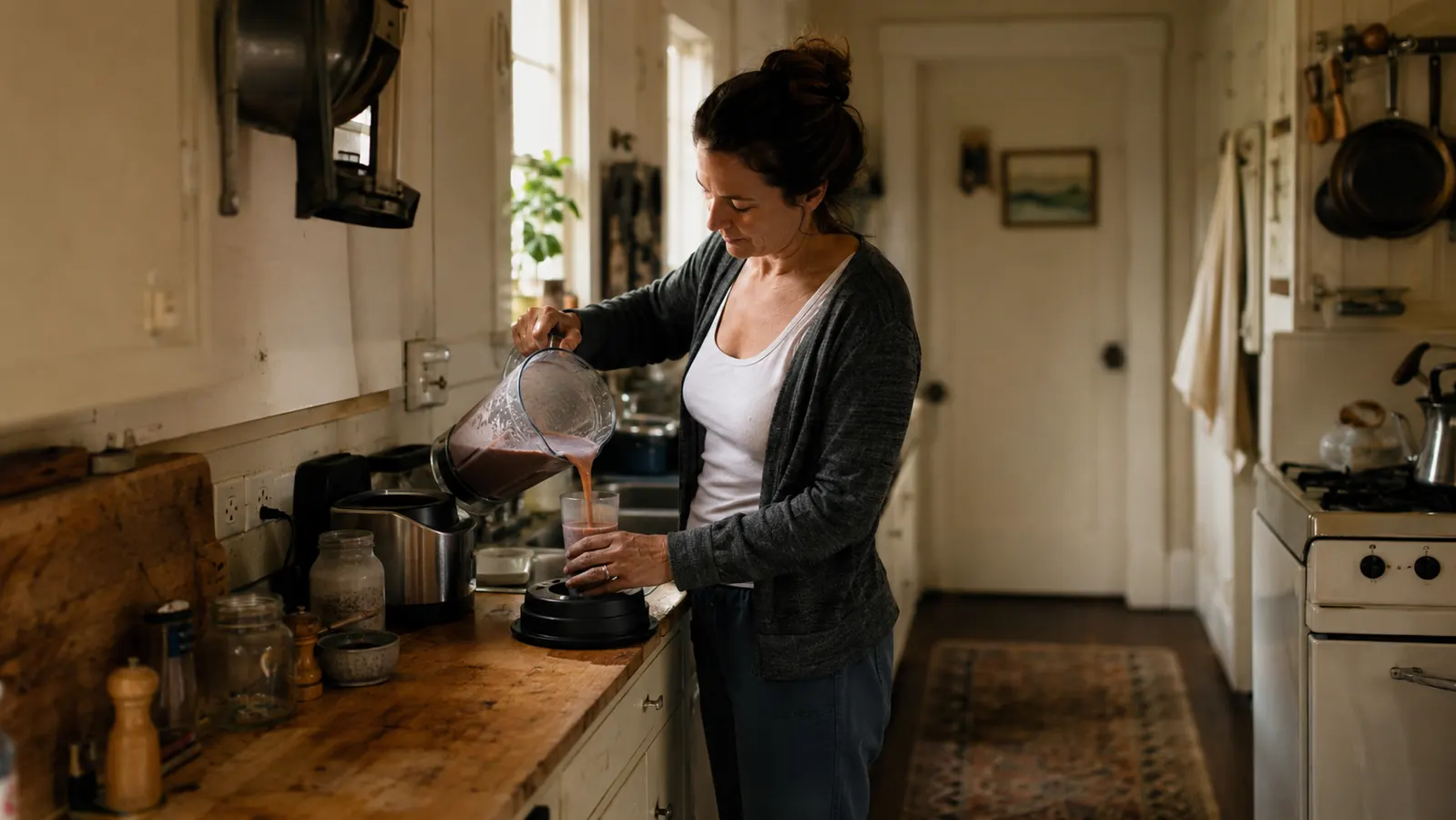
Six months ago I hauled a 1500-watt Ninja Mega Kitchen System up the back stairs of my duplex and set it on the twenty-two inches of counter beside my sink, and it has not really left since, which says something on its own in a kitchen where every appliance has to earn its spot. I bought the BL770 for one reason: my old stick blender couldn't get through frozen mango without begging for mercy, and my food processor had died the week before Thanksgiving. The Ninja promised to replace both. It wasn't a small purchase for my budget at the time, and I wanted to know, six months later, whether it actually held up to being the one blender and one food processor I owned, not just a nice idea in a box.
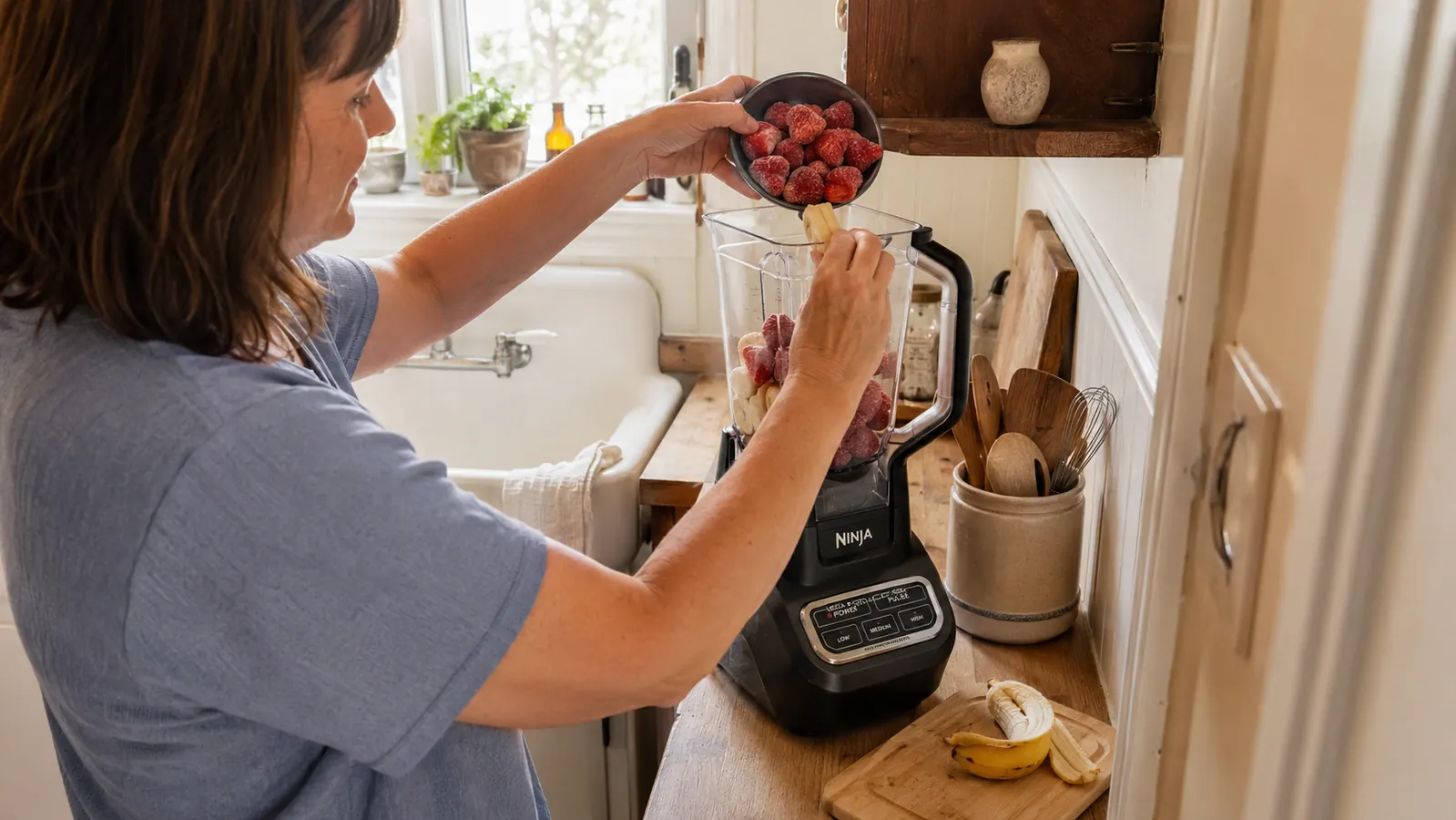
I make a smoothie most weekday mornings, usually oat milk, frozen strawberries, a banana, and a scoop of peanut butter, and I pull out the food processor bowl two or three times a month for dough or slaw. That's the real test I'm reporting on for the Ninja here, not a lab test, just six months of a tired weeknight cook actually using the thing.
The Quick Verdict
A genuinely powerful blender and a decent food processor bolted together, if you have somewhere to store the parts you're not using that day.
Amazon Check Today's Price →Still Fighting a Weak Blender or a Dead Food Processor?
The Ninja Mega Kitchen System replaces both with one 1500-watt base, a 72oz pitcher for smoothies, and an 8-cup food processor bowl for doughs and slaws. Here's what six months of daily use actually looks like.
Amazon Check Today's Price on Amazon →How I've Used It Over Six Months
I run the Ninja Mega Kitchen System most mornings before the coffee's even done, five days a week if I'm honest, sometimes six. Weekday smoothies are the baseline use, and on weekends I'll pull out the food processor bowl for pie dough, a batch of hummus, or shredding a head of cabbage for slaw. Twice I've used the dough blade for pizza dough, which I'll get into, because it's not quite the whole story the box implies.
The base sits right on the twenty-two inches of counter beside my sink because that's the only stretch near an outlet, and the Ninja base alone takes up more than half of it once the pitcher's locked on. That's not really a complaint about the machine, it's a complaint about a 1940s duplex kitchen never built for a countertop appliance this size, but it's worth knowing before you buy one for a small galley kitchen of your own.
What surprised me is how little I've missed a separate blender and food processor since. I used to own both, plus a mini chopper for garlic, and now the Ninja mostly covers that range. Mostly. There are jobs it still doesn't do as well as a dedicated machine, and I'll name them.
Beyond the daily basics, I've made a rough almond butter, a cashew queso for a game night, and shredded a full head of red cabbage for taco night more times than I can count. None of those are exotic uses, they're just the ordinary rotation of a home cook who got tired of pulling out three separate gadgets for three separate jobs.
The 72oz Pitcher and What It's Actually Good For
The 72oz pitcher is the part of the Ninja Mega Kitchen System I reach for daily, and it's genuinely strong. Frozen fruit, ice, spinach, even the occasional handful of oats for a thicker smoothie, it powers through all of it without the motor bogging down the way my old blender did. I've made soup in it twice, a blended tomato basil, and it came out smooth enough that I didn't bother straining it.
I actually looked at a Vitamix and a smaller single-serve blender before I settled on the Ninja Mega Kitchen System. The Vitamix has a longer reputation for motor life from what other owners told me, but it doesn't come with a food processor bowl, so I would have been buying two machines and finding room for both on a counter that barely holds one. The single-serve option would have saved space, but it couldn't touch the food processor work at all, so I ruled it out fast.
The pitcher is also just big. 72oz is more than I need most mornings when I'm making one smoothie for myself, and I've learned to blend a double batch and refrigerate half rather than wash the whole pitcher twice in one week. If you're cooking for one or two, that size is either a feature or a chore depending on your patience for a big vessel in a small sink.
If you're deciding between this and a smaller blender, or wondering whether the extra power is worth the counter space, I actually broke that comparison down in a separate piece on the Ninja Mega Kitchen System against a Vitamix, because the honest answer depends on what you're blending most.
The Food Processor Bowl and Doughs
The 8-cup food processor bowl is where the Ninja earns the "kitchen system" part of its name, and it's a real food processor, not an afterthought attachment. It shreds cabbage and carrots fast, it purees hummus smoother than my old chopper ever did, and it handled pie dough for a Thanksgiving crust without me babysitting it.
Pizza dough is where I ran into a real limit. The Ninja can mix and knead a small batch, but on a full two-pound dough recipe the motor works audibly harder and I've started splitting big batches in half rather than push it. That's a genuine criticism, not a nitpick: if you bake bread regularly, this isn't a stand mixer replacement, it's a food processor that can handle dough in moderation.
I also ran it through a batch of homemade breadcrumbs and a rough pesto, both of which came out better than I expected from an appliance I bought mostly for smoothies. The pulse function is the setting I use most for anything besides a full puree, since it gives me more control than just holding the power button down.
For everything short of serious bread baking, the food processor bowl has replaced a separate machine I used to keep on top of the fridge. That's one less box to store, which matters more than it sounds like in a kitchen this size.
Noise, Footprint, and the Outlet Problem
Nobody warns you how loud these are. The Ninja Mega Kitchen System at full speed on ice is loud enough that I don't run it before 7am out of respect for the downstairs neighbors, which is a real constraint in a duplex, not everyone's problem but definitely mine.
The bigger daily annoyance is the outlet cluster. I have exactly one cluster of outlets beside the sink, and the Ninja's cord is short enough that the base has to sit close to it, which means it's competing for that same cluster with my kettle and, some mornings, my phone charger. I've unplugged the kettle mid-boil more than once because I needed the Ninja running first.
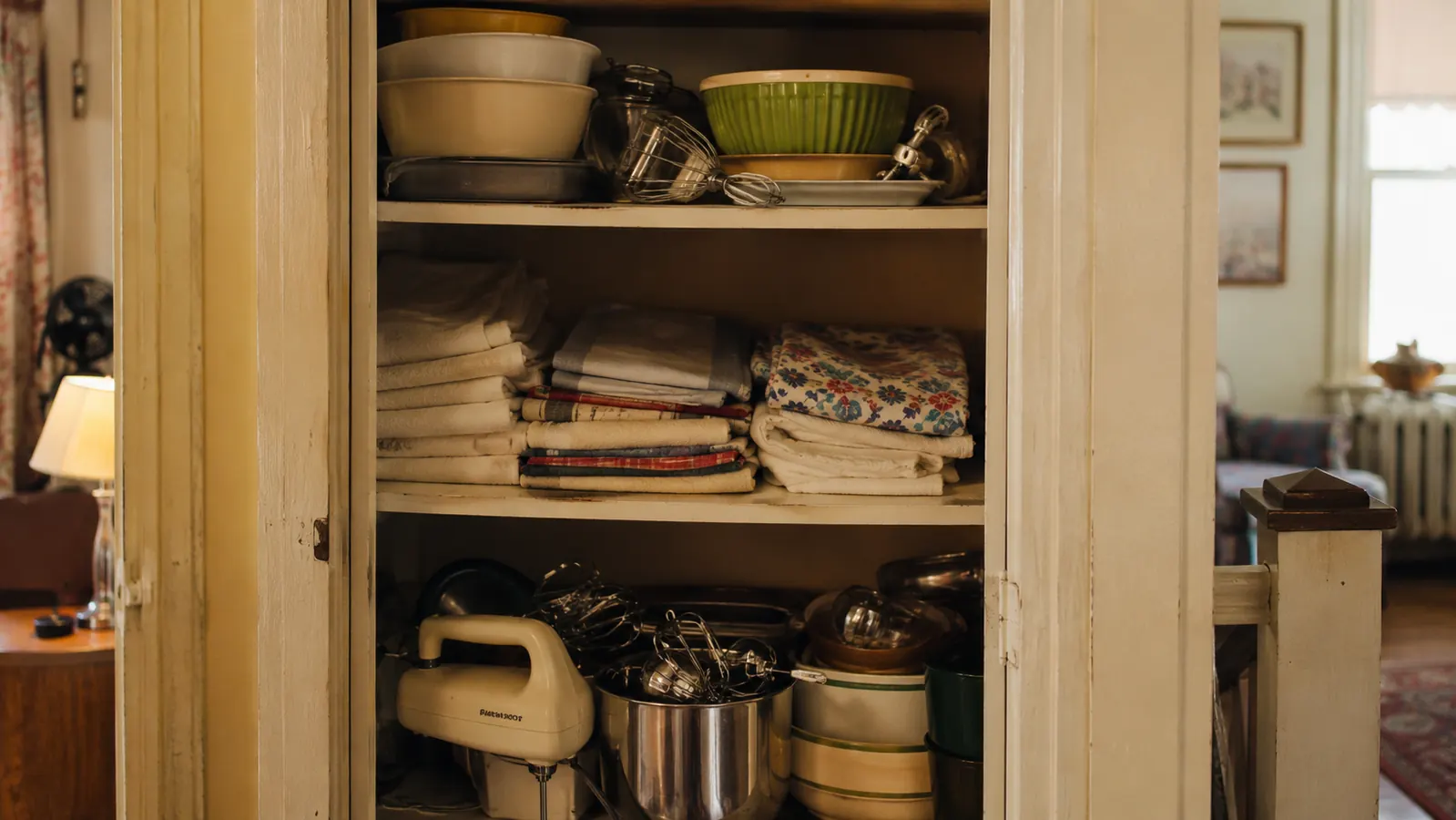
Storage is the other real cost nobody mentions in the marketing photos. The base lives on the counter because it's too heavy to lift in and out daily, but the 72oz pitcher, the food processor bowl, the dough blade, and the extra blade attachments all go in my hall closet when they're not in use, and the spare pitcher lid lives on top of the fridge because there's nowhere else flat enough for it. Getting the right piece down before I've had coffee is its own small tax every single time I want to switch from blending to processing.
I've adjusted my mornings around it more than I expected to. I run the loudest blends, mostly ice, before my downstairs neighbor is usually up, and I save the quieter food processor work, chopping and shredding, for later in the day when the noise matters less. It's a small accommodation, but six months in it's just part of the routine.
Durability After Six Months
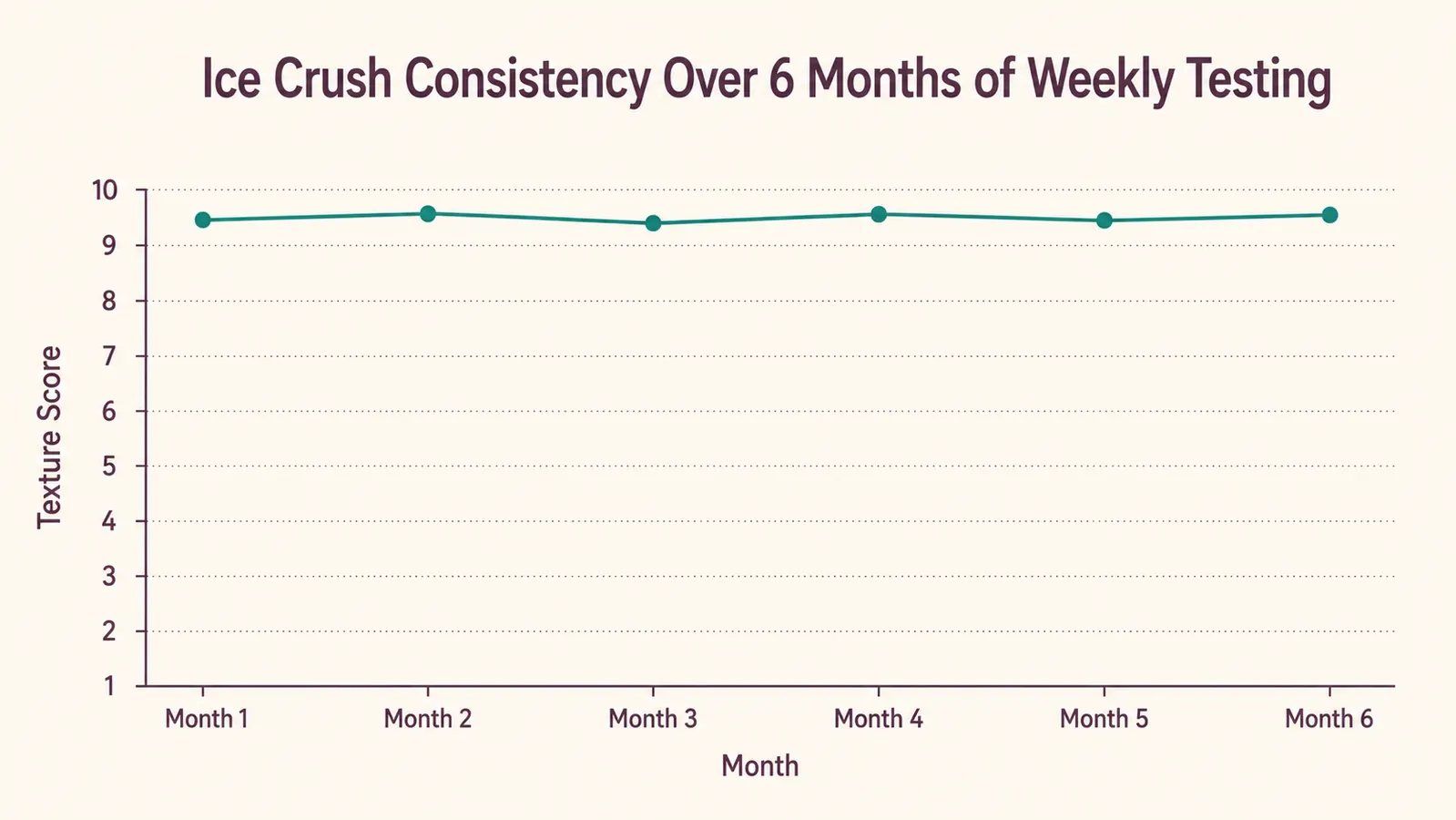
Six months of near-daily use and the motor hasn't slowed down at all, which was my biggest worry going in given how cheap some blender motors start to sound after a few months. The blades are still sharp enough to crush ice without the crunchy leftover chunks I got from my old blender by month three.
The one part that's showing wear is the gasket on the pitcher lid. It's started to let a little liquid seep at the seam if I overfill past the max line, which I now avoid doing on purpose. It's a small thing, but after six months of daily washing it's the first sign that a rubber part is aging faster than the plastic and metal around it.
Cleanup is part of that durability picture too. The pitcher and the food processor bowl are both dishwasher safe on the top rack, and most mornings I just rinse the pitcher and let it air dry rather than run a full load for one blade and one lid. The blade assembly on the food processor bowl has small crevices around the shaft that catch bits of dough, and that's the one piece I still hand-wash every time rather than trust the dishwasher to get it clean.
The base itself collects a surprising amount of dried smoothie splatter around the seam where the pitcher locks in, so I wipe that down with a damp cloth every few days so it doesn't turn into a sticky ring. None of this is unusual for a blender this size, but "dishwasher safe" still means a few minutes of actual maintenance most days, not none.
What I Liked
- Genuinely powerful blending, crushes ice and frozen fruit without bogging down
- The food processor bowl handles real prep work, not just a garnish chopper
- Motor showed no slowdown after six months of near-daily use
- One base replaced two separate appliances I used to own
Where It Falls Short
- Short cord forces the base to compete for one outlet cluster with everything else
- Loud enough that I avoid running it before 7am
- Pitcher lid gasket has started to seep slightly after six months
- Struggles with full-size bread dough batches
- Storing the pitcher, bowl, and attachments separately is a real daily hassle
The Ninja didn't shrink my kitchen. It just made me a lot more organized about what lives in the hall closet.
Who This Is For
If you're blending most days and doing occasional food processor work, chopping, shredding, the occasional dough, the Ninja Mega Kitchen System covers a genuinely wide range for one 1500-watt base. It's also a fit for a small kitchen if you have somewhere to store the extra pieces, because the counter footprint while it's in use is bigger than the base alone suggests. I'd also call it a good fit for anyone who currently owns two or three separate small appliances and is tired of finding counter space for all of them, since consolidating down to one base is the whole appeal here. I wrote up ten specific reasons it's earned its spot for that exact kind of daily blending in a separate piece on why it blends better than what I had before.
Who Should Skip It
If you bake bread regularly and need a machine that can knead full batches without working hard, this isn't that machine, get a stand mixer instead. The same goes if you mostly cook for a big household and need bigger batches at once than a single 72oz pitcher and 8-cup bowl can comfortably handle in one pass. And if your counter or storage space is even tighter than my twenty-two inches, the sheer number of separate pieces, the pitcher, the bowl, two blades, two lids, might be more juggling than it's worth for how often you'd actually use each one.
Six Months In, Still My Daily Blender
Between the smoothies and the dough, this is the one appliance on my counter I'd replace with the exact same model if it broke tomorrow. Check today's price before you decide.
Amazon Check Today's Price on Amazon →